Documenting One Woman's Fight To Change Japan's Nationality Law

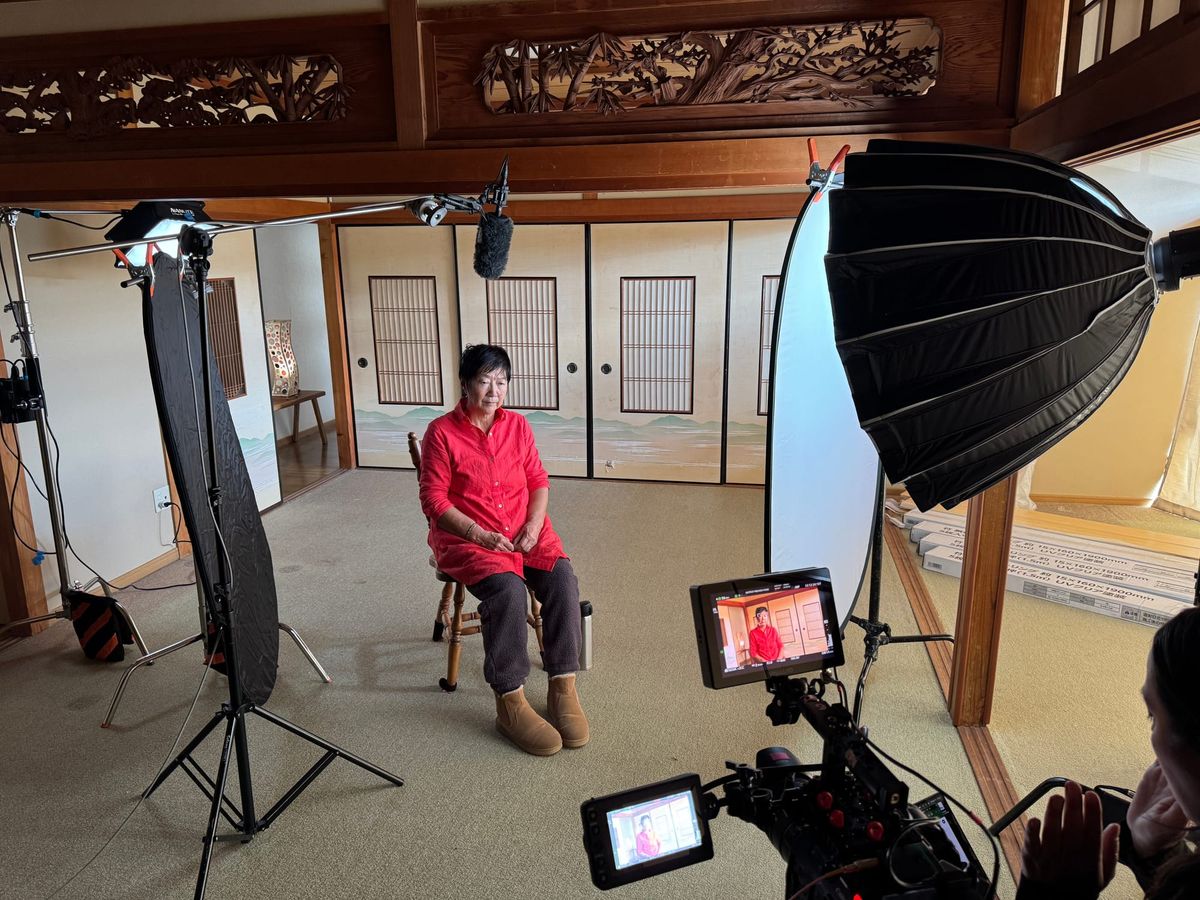
Megumi Nishikura is a documentary filmmaker whose work explores identity, belonging and the cultural intersections between Japan and the rest of the world. I had the pleasure of chatting with Megumi about her current documentary-in-progress and the personal connections that motivate her work. Enjoy!
What is your favorite Asian story?
My favorite stories are those of people who live between worlds: those who leave the home that shaped them to build a new one in a new culture or place. The film that I am currently making is about a woman named Yuri Kondo, who lived in the U.S. for 30 years.
Yuri is a Japanese woman who came to the United States in the 1970s to attend graduate school at Stanford. Japan at that time was very outward-looking, and many people were leaving to study and work abroad.
Several years later, while she was backpacking, she met a man from Bangladesh. They married and moved to Arizona to raise their daughter. For over 20 years, she lived as a Japanese citizen with a U.S. green card.
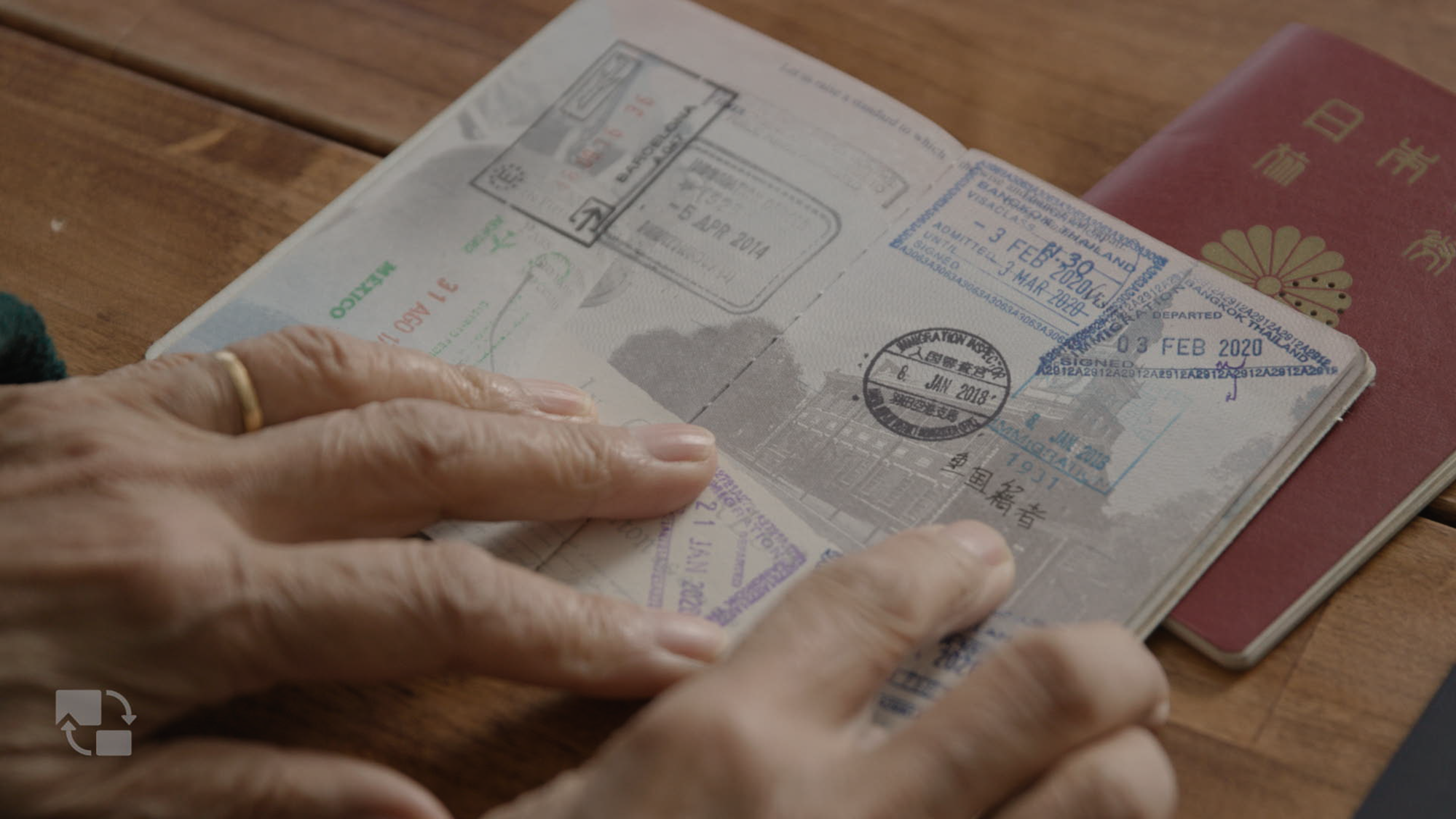
Then in the early 2000s, in order to secure her future in the United States and to participate politically, she became a U.S. citizen. At the time, she was unaware that Japan doesn't allow dual citizenship. She saw that there were other Japanese people in her community who had obtained U.S. citizenship and were carrying two passports, coming and going from Japan without any issue.
So she thought it was a non-issue. But in 2017, when she went to renew her Japanese passport, she was informed by the staff at the passport office that they suspected she had become an American citizen, and they denied her application to renew her Japanese passport.
Did that put her in a bind?
So right before COVID became widespread in early 2020, Yuri decided to go to Japan, where her daughter was living and working. To do so, she entered Japan on the 90-day visa waiver (often referred to as a tourist visa) using her U.S. passport. Soon thereafter, international borders started to close. Ultimately, Japan shut its borders, and for approximately two years it was impossible for anyone who did not possess Japanese citizenship to enter the country. During this time, Yuri decided to shelter in place with her daughter and grandchildren and remain in Japan.
Yuri has remained in Japan to this day. From the Japanese government's perspective, Yuri lost her Japanese citizenship the moment she became a U.S. citizen, and so they see her as a U.S. citizen who has overstayed her visa and is residing in Japan illegally. But Yuri still identifies as Japanese and does not believe that she willingly gave up her Japanese citizenship. This is the point in the story where I began filming: in 2022, she decided to sue the Japanese government to challenge the nationality law.
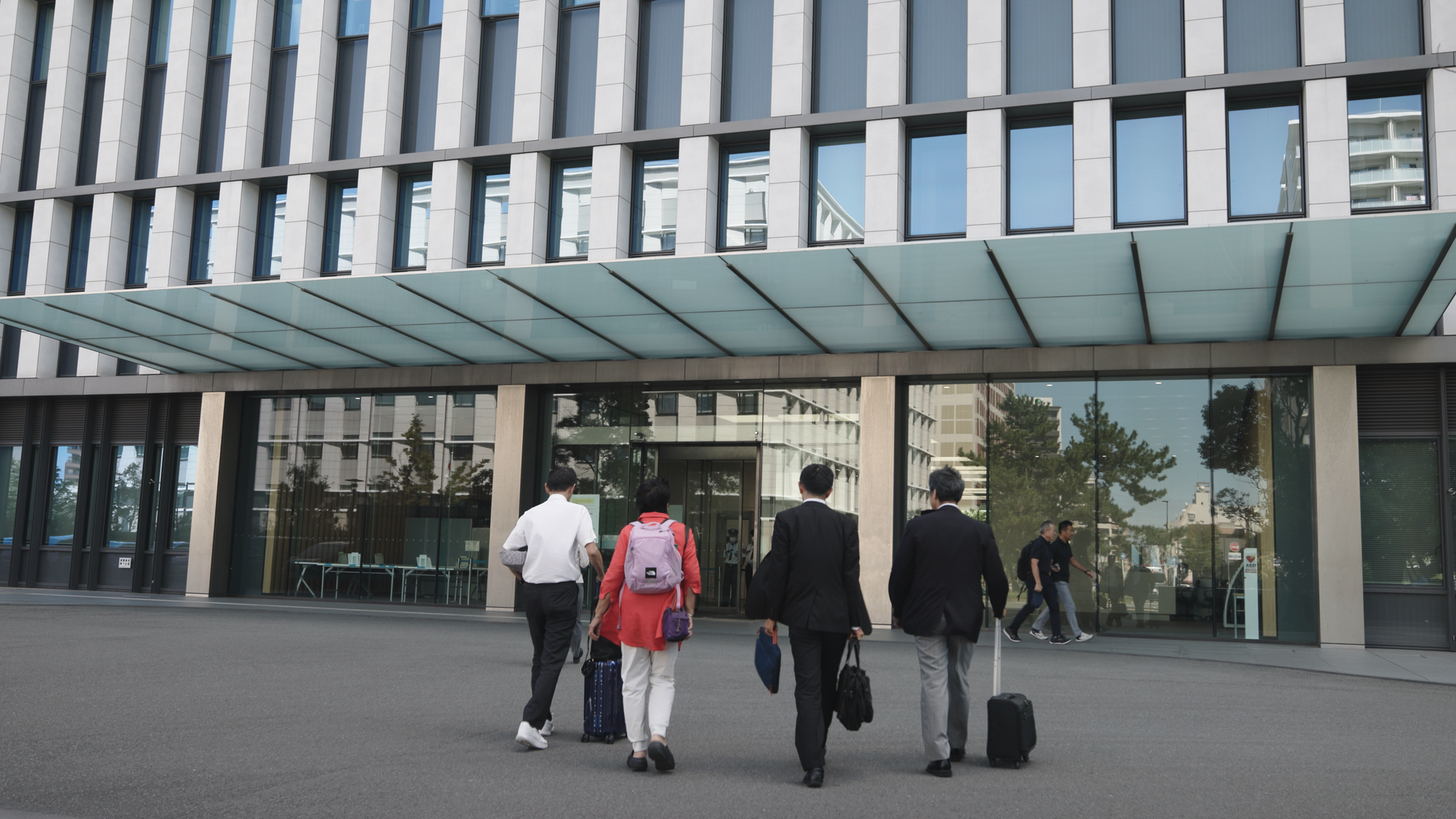
The specific provision of the Nationality Act that she wants to change is Article 11, Paragraph 1, which states that when you voluntarily acquire or naturalize as a citizen of another country, you automatically lose your Japanese citizenship. I've been following her legal battle, as well as the personal impact this law has had on her life, because after COVID ended, her daughter's job took her abroad.
So now Yuri's daughter is no longer in Japan, and her husband is back home in Arizona. Yuri hasn't been back to the U.S. for over five years, and even though she wants to return, doing so would put her at considerable risk. If you overstay your visa in Japan, you are subject to a reentry ban of at least five years. At 79 years of age, that would be a tremendous risk for Yuri, because she may not be able to return to Japan within her lifetime.
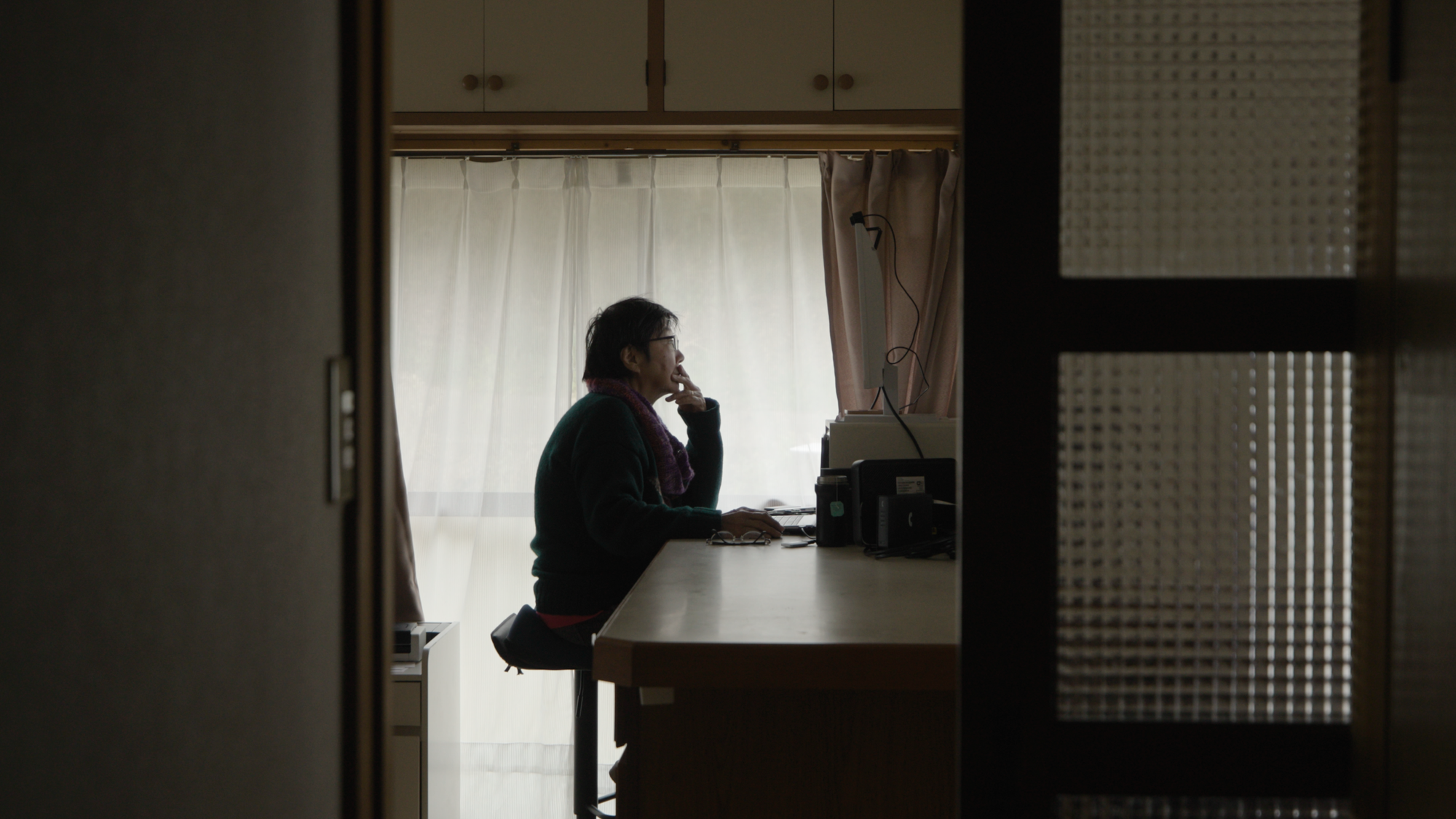
What a tough choice.. fighting for something you really believe in or being separated from your family. How did you first come across her story?
I myself am a dual citizen, Japanese and American. One of the things that I learned while doing research for this film is that the Japanese nationality law treats people who are born with dual citizenship differently than people who acquire an additional citizenship later in life.
For people like myself, the law asks that you make a choice of nationality by the age of 20. But this is not strictly enforced, and I have never been asked to make this choice. If you do make a choice and choose Japanese citizenship, the second part of that law says that you must make an effort to relinquish your other citizenship. But again, there's no hard enforcement—they may ask you to sign a piece of paper saying you will do so, but they don't require any proof that you have done so, and there is no consequence if you don't follow through. And so I, along with many other people who were born with dual citizenship, have been able to maintain two passports well past the age of 20. I'm hopeful that that's something I can continue to do for the rest of my life.
But because I was told growing up that I would have to choose by my 20s, I grew up dreading the moment when I became an adult and would have to pick one country over the other. And I think part of that fear is because the law is vague and unclear. I also believe that because Article 11.1, which I mentioned earlier, is so severe, it casts a shadow over the entire conversation. Many people blanketly believe "dual citizenship is illegal" in Japan, and as a result, a lot of people are very afraid that they are going to get “caught.” In reality, though, the law is far more nuanced. I ultimately want to see a Japan that openly allows dual citizenship.
In some ways, there are parallels between Japanese dual citizens and DREAMERS in the US. In both communities, many people are reluctant to talk openly about their citizenship or legal status because they fear it could lead to problems with the authorities. That said, the situations are not equivalent. In Japan, the government is not actively seeking out dual citizens or conducting widespread enforcement. For most people, the issue only comes to the forefront when they renew their Japanese passport (typically once every ten years) or encounter another administrative process that requires them to address their nationality status. Nevertheless, the uncertainty surrounding the law creates a climate of fear that discourages people from speaking openly about their experiences.
Clearly since you're making a film about this, you must feel strongly about this story. What drew you to this story?
I'm interested in people who live in between spaces—people who are between races, between nationalities, and between cultures. I think that's really drawn from my own life experience because I'm somebody who's mixed race and who grew up in both Japan and the United States. My whole life, I've been asked, "Which do you prefer? Choose one or the other."
And I have never felt like I could. I'm absolutely both. Both are a part of me, and neither is more important than the other. The combination is who I am. And so I've always been interested in finding and telling the stories of people who are living in those in-between spaces. I know that if I feel that way, then there are others who feel that way too.
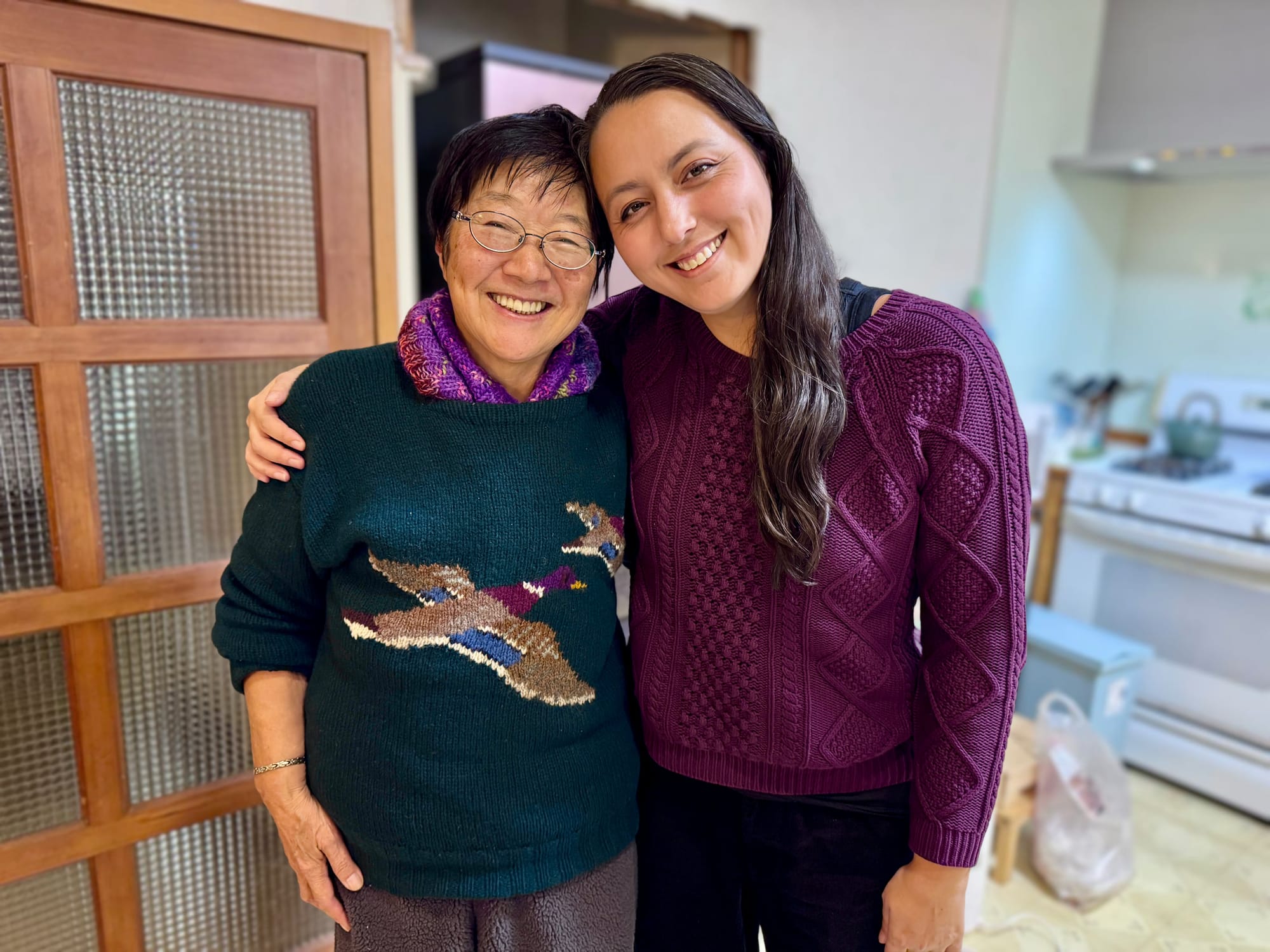
I think we live in such a binary world where it's always either/or—one thing or the other. People want to box you in, draw lines, make cutoff points, and say, "Well, this disqualifies you from this," or whatever. I want to soften the edges of that and help people understand that these definitions we've come to know are much more fluid.
That makes total sense why you would be drawn to this story. Thank you for sharing it with us. To learn more about Megumi’s films, visit her website. Until next time!