How Dolly Li Became Obsessed With A Chinese Reggae Song and Mystery Man

I can always trust that my friend Dolly Li has a fascinating story from Asian history up her sleeve. And she did not disappoint. Dolly is an award-winning documentary filmmaker and video journalist. She was the cultural consultant on the Mississippi Delta Chinese for the film Sinners and has dedicated her career to telling stories of the Asian diaspora and beyond. She loves a tropical vibe.
Tiên Nguyễn: What is your favorite story to tell about Asian American history?
Dolly Li: So the story that I want to share is actually one that has kind of been like, unresolved for me for a while. I first learned of it when I was working in Hong Kong. I was working on a story with a freelancer, and we were working in Shanghai trying to basically stock up a bunch of interesting stories in Shanghai for Goldthread.
And the freelancer George Zhi Zhao was so incredibly talented. He brought this story where he was like, oh, there's this really interesting artist here in China who's a reggae artist. And we ended up profiling this guy Jado. Right. But I was like, okay, I would love to just dig a little bit deeper here to be like, why would this guy in Shanghai even be interested in reggae?

Like, what is the connection? Or is it just like music is global? And as I was digging into it, George actually found this song called Always Together by this man named Stephen Chang. It's this song that is a take on a classical Chinese song called Ailishan. A Chinese classic. But when you hear the song, it sounds like you're in the Caribbean. And how this song came to be isa mystery that I've been wanting to solve and have gone through some lengths to try and solve it.
Let me play you the song so you can get the vibe of it.
Sounds amazing already.
[Dolly plays the song on her phone]
It's actually very simple lyrics, you can even use it to teach children Mandarin. It's basically like, oh, the girl from Ailishan is so beautiful, like the mountains. The boy from Ailishan is so handsome, like the ocean.
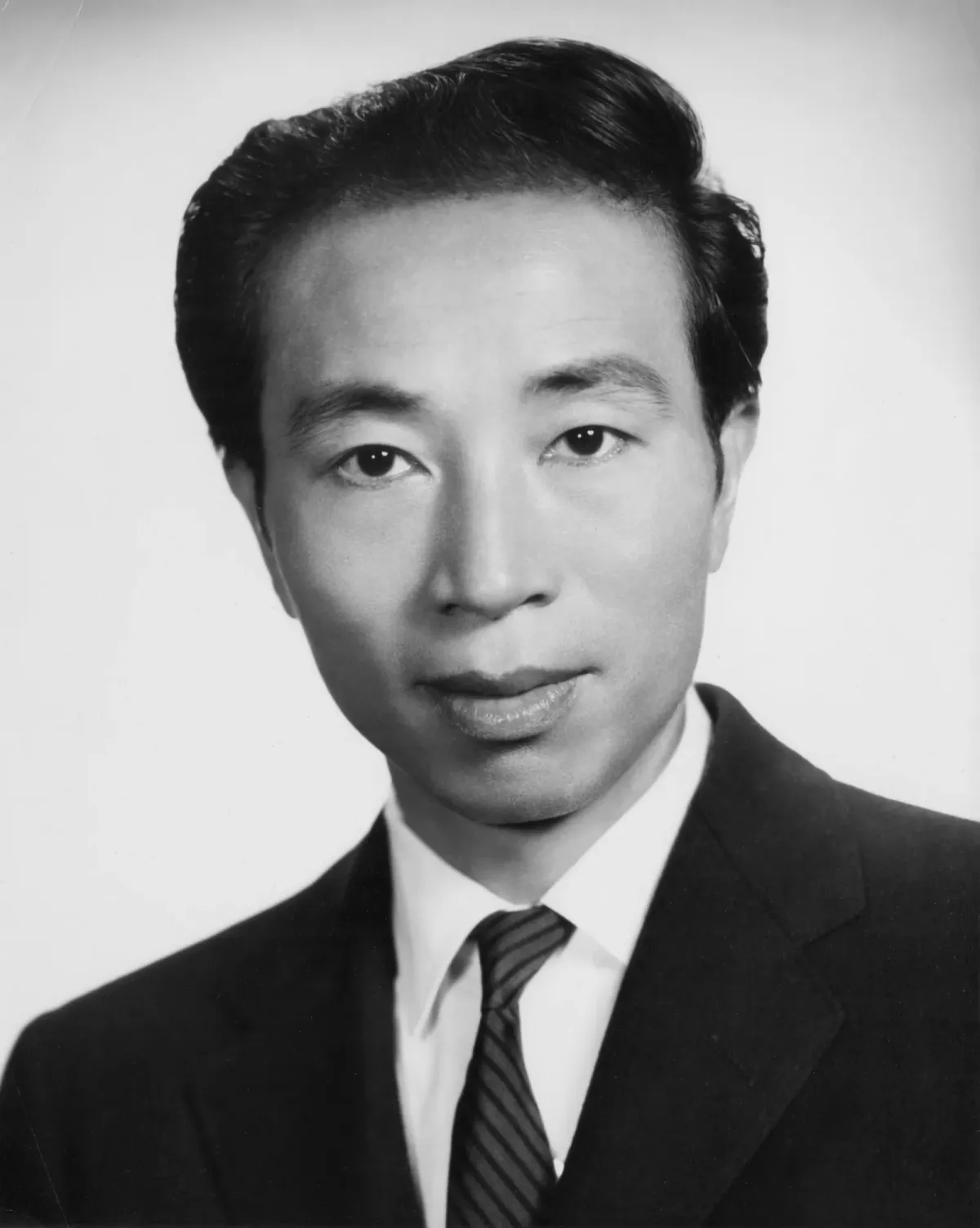
It's a classic. But I've never heard the song with this, like, reggae vibe to it. How did this song come about? Like, who is this man?I started looking up this man and there wasn't a ton of information on him. And I was trying to find out, like, was he alive? Did he have family? And I came across this article when I was searching for this man's name. The article was about a marathon in Vermont. But in this article was this man Pascal Chang.
And when I clicked on this article,I saw the photo of Pascal running this marathon in Vermont. He looked exactly like Stephen Chang. And I saw Pascal's face and I was like they have got to be related in some way or another, right? So I reached out to the reporter of this marathon. And I ended up connecting with Pascal. He was like, my dad was a mystery to me.
Ah so Pascal is Stephen’s son?
Yeah his mom is, I think a white Canadian lady. Basically looks like a slightly white version of Stephen Chang. And they're from New York City. So I was living in New York, you know, met up with them and met up with him in person.
He just started looking at the archives. He collected this record to, like, try and piece together this mystery of how was the song made. Who made it? Why was this recorded in Jamaica? The only information I had was the original record of this song. And you can see that it's made by Sunshine Records.
It was released in 1967. Sunshine records is a Jamaican record label, but Stephen Chang himself is not Jamaican. He's Chinese, he's a Chinese man from Shanghai. And through Pascal, I've learned that his dad, Stephen, is technically an opera singer. And he said his dad could sing in, like, 20 different languages. He grew up in Shanghai, going to an art school. He wanted to be a vocalist, singer there. But he also grew up in the wrong time in China. This is at the beginning of the early days of pre-Cultural Revolution, like the beginning of the communist movement. He was like, admittedly, my dad, if he's a musician in China in the early 1900s, his family had to have some money in Shanghai for him to go to singing school.
And so Stephen had applied for Juilliard here in the US and was able to come to the US to attend Juilliard to continue his music education. But he had to go through all these sponsorships from America, essentially like finding people who could defend his character.
A lot of them were like local congresspeople or like white politicians, right? White men who wrote letters advocating for Stephen Chang to be a student of the US to come to the US. And this is before the era where Chinese Exclusion was repealed, too. So he had to get so many exemptions to be able to come to the US.
So Stephen left Shanghai and came to the U.S. to study at Juilliard, trying to do opera. When you go into the records, you can actually see him. He was on Broadway in one of the productions of Madame Butterfly when William Shatner was also in it.
Okay wow. William Shatner is old..
Yeah he old. So Stephen plays one of the characters on the Broadway production as a singer. He's performed at MoMA. He's done what in today's world is this really high artistic accomplishment stuff in New York City, right? But from my understanding, there's no place for him in this society because there were not that many opportunities for a Chinese male singer, also Chinese male opera singer.
And so he started trying to find other ways, like traveling to, see if there were other opportunities for music. And he also taught Pascal, whenever he was home, he would be teaching music lessons and voice lessons. He’s traveling constantly to Trinidad, to Jamaica. And started collaborating with this Chinese Jamaican association out there. And Pascal didn't know that his dad was out there recording music. So discovering this record for him was also just like, who is this man? I've lived with this man my whole life, but I don't know who he really is.
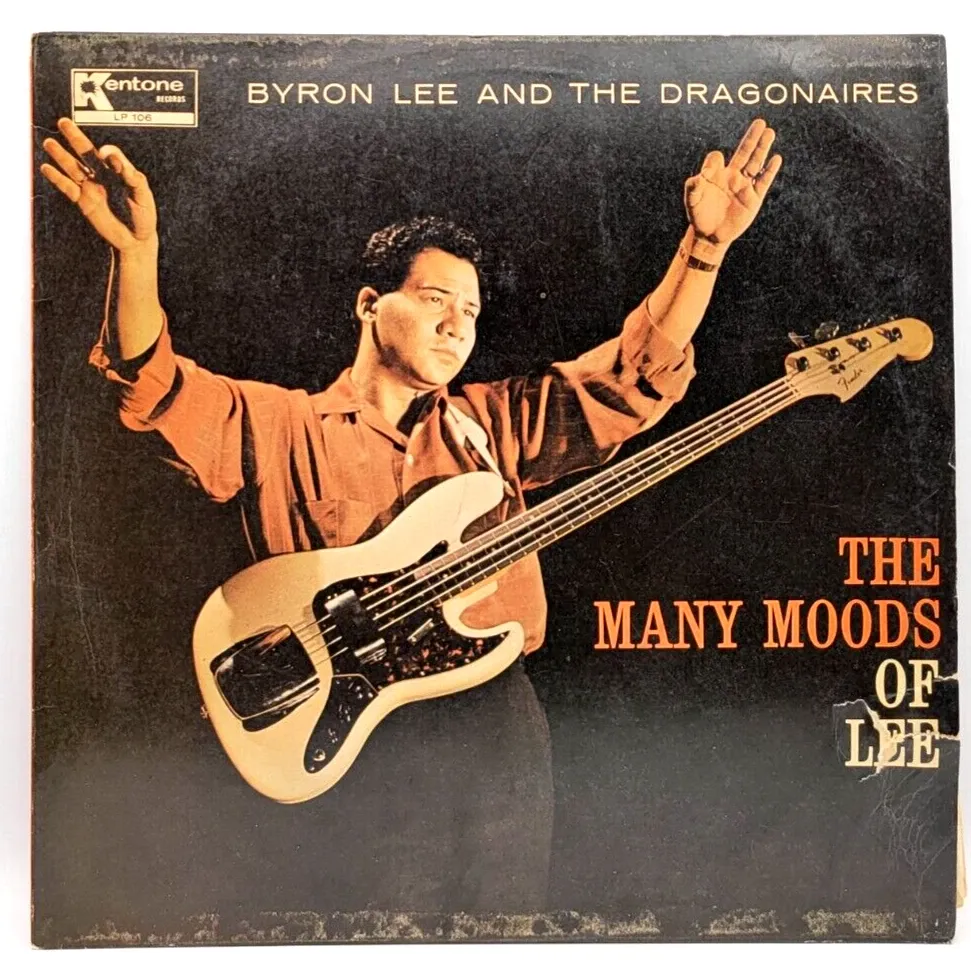
So that's the story that I have at least pieced together from my findings. At some point in the 50s, early 60s, Stephen traveled to Jamaica and met a Chinese Jamaican producer named Byron Lee, who was part of this group called Byron Lee and the Dragonaires.
Such a great name.
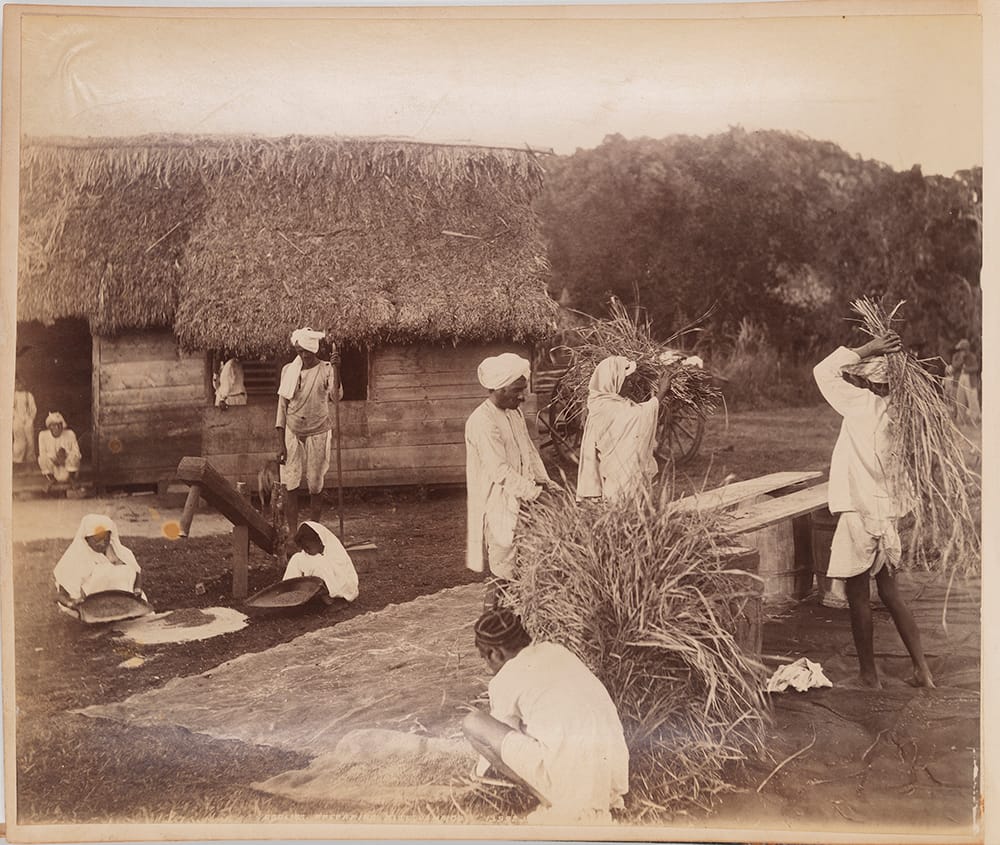
They were actually in one of the James Bond movies as the background band. And Byron Lee is one of the many people who are descendants of these Chinese Jamaican families. There's all these Chinese workers were brought to Jamaica, post-slavery, to be coolie workers, to be laborers. Chinese and Indian coolies were all brought there between the Caribbean and Trinidad, parts of Peru.
So that's how this whole community of Chinese Jamaicans developed. So that's Byron Lee's back story. Byron Lee himself was also a phenomenal producer, and has produced a lot of different records, including this one with Stephen Chang. So during those sessions, I think Stephen had recorded maybe like three different songs that are like Chinese Jamaican songs.
This is the only one that is publicly available. But there are other ones that are out there. That's as far as I've got in terms of how this song was made. I don't know exactly why it was made. But in Pascal's collecting of the archives, he found old clippings, like newspaper clippings from Jamaica, where the Chinese Benevolent Association would advertise, Stephen Chang’s one night performance. His dad had this whole other life in Jamaica.
Pascal was also on the journey of discovery of his dad. And he was finding all this stuff that started coming up about Stephen, all these different letters emerged when America was also super anti-Japan. Letters written by like white American politicians saying like, this man should stay like he's great, he's a stand up U.S. citizen, is contributing to American society.
All these things you do to like, validate yourself as a minority in America back in those days. Validate yourself or protect yourself from police, arrest, deportation, despite him performing on Broadway, performing at the MET, being an accomplished singer, going to Juilliard, performing at MoMA.
Having worked with William Shatner.
Right. Despite all of that, it didn't even matter, right? He still needed all of these people to back up his validity as a person in America.
To be a singer in a very unusual time, he also had to do these side commercials. And these commercials were so racist. Just think about the commercials you would see in the 50s or 60. There's one commercial I remember seeing Stephen in where, you know, it's such a juxtaposition in your mind, he presents himself as super elegant, his facial features are very strong, chiseled, giving Daniel Dae Kim. Tall man, very elegant opera singer. Pascal’s like my dad's a handsome man and the ladies loved him.
And then in these commercials, there's one where it was full of laundry. Stephen played this very domesticated husband figure to a white lady, where she's essentially forcing him around to do laundry. You see all the subservient things he had to do to stay in America and chase his dreams.
Did you ever publish this story?
So to go back to how the story started. We published a Goldthread video called Finding Reggae in Shanghai and I found a way to insert this bit of history into it. And it led to some Chinese music heads to follow up on this story after I had published this. So there's like one indie artist who did a comic strip about the story.
I filmed a little bit with Pascal. It’s a story that’s been with me for a really long time because I don't know what to do with it. I feel like that's like an unusual place to be as someone who's an experienced filmmaker, right? Like, I don't know what the purpose of the story is. But I know the story has a purpose. I know it's so compelling, and it's something that I've thought about, like, I could take a David Grann route where you write this extremely elaborate nonfiction book that's crazily thoroughly researched. That’s the author of Killers of the Flower Moon who just hides for five years and goes into every Library of Congress branch that could exist to get every record that he could find. Or maybe it should be fiction. Pascal told me that his dad would have loved nothing more than to be famous. And there's something that drives me about this man's story. And I don't even have a really deep personal connection with him. But that song, every time I hear that song, I'm just like mesmerized, transported. It's so compelling. It moves you.
There's so much deep history, like rich history like throughout this man's life. If you had to sum it up, why is this one of your favorite stories? Why do you love this story so much?
I think I love a tropical vibe, first of all. When I hear the song, I can see this silhouette of a man just walking through like palm trees and tropical gardens in Jamaica. And just like if this were a movie, right? The opening scene is that you hear that song, then you can hear him singing and you see this mysterious, handsome figure walking through some lush, jungly tropical place.
You don't know where he is exactly. And as you follow him, the scene opens up to him being in Jamaica in the 60s, and it's like why are you here? What are you doing here? What is your purpose? It’s definitely a fish out of water story, but I don't know what the fish is doing out of the water. Like, what is this place giving him? And what is he giving it? I don't know and I think not knowing makes the story feel like I'm not able to close this chapter.
I think it's such a powerful story. I never heard anything like that. And I feel like it's so unlikely but people like him existed and he’s not in the historical record so it's hard for us to even imagine what it's like. So there's really a need for us to fill those gaps.
Yes. And this is like the type of story that got me thinking about fiction. I would love to be able to go deeper and do more research. I want to know more about who his wife was, right? Like how did she feel when he was constantly never home and she was raising their children?
This was so good. I'm really excited to share this with people. Is there anything you wanted to add?
No. This is great. You know, if anyone wants to make a short film about a mysterious man, call me.